What to Do After SEE in Nepal – Best Ways to Use Your Free Time Productively
Are you wondering what to do during the free time after SEE? The period after completing the Secondary Education Examination (SEE) in Nepal is an exciting and important time for students. After months of studying and preparing for exams, students finally get a break of about 2 to 3 months before starting their higher studies in Class 11, diploma programs, or technical education.
Many students often wonder, “What should I do during the free time after SEE?” While it may feel tempting to spend the entire vacation relaxing, playing games, or using social media, this time can actually become a valuable opportunity to learn new skills, explore career options, and prepare for the future.
In this article, we will explore the best things students can do after SEE in Nepal to make their time productive and beneficial.
Why the Time after SEE Is Important
The months after SEE are not just a break from studies—they are a unique opportunity for personal growth and skill development. This time allows students to explore interests that they might not have had time for during school.
- Opportunity to Learn Practical Skills
Traditional school education focuses mostly on theory, but practical skills are equally important in today’s world. Learning technical or vocational skills during this period can help students understand real-world applications and even prepare them for future careers.
- Discover Career Interests
Many students are unsure about what career path to choose after SEE. The free time after exams can be used to explore different fields such as technology, electronics, computers, or engineering-related skills.
- Boost Confidence and Knowledge
Learning something new during the SEE vacation can increase confidence and motivate students. It also helps them start their next academic journey with a positive mindset.
Best Things to Do After SEE in Nepal
There are many productive activities students can do during their SEE vacation. Here are some of the best options.
- Join Short-Term Skill Training Courses
One of the most beneficial ways to use your time after SEE is to join short-term technical training courses. These courses are usually designed for beginners and focus on practical learning.
Students can learn skills such as:
- Mobile Phone Repair Training
- Computer Repair and Maintenance
- Laptop Repair Training
- CCTV Camera Installation
- Basic Electronics
- AC and Fridge Repair Training
These courses not only teach practical knowledge but can also create opportunities for part-time income in the future.
- Learn Computer and Digital Skills
In today’s digital world, computer skills are essential. Students can use the SEE vacation to learn:
- Basic computer operations
- Microsoft Office (Word, Excel, PowerPoint)
- Graphic design
- Internet and digital tools
These skills are useful for both education and future employment.
- Improve Communication and English Skills
Good communication skills are very important for success in education and career. Students can spend time improving:
- English speaking skills
- Public speaking
- Presentation skills
Better communication helps students perform confidently in school, college, and professional environments.
- Explore Hobbies and Creative Activities
The SEE vacation is also a good time to explore hobbies and creative interests. Activities like music, photography, drawing, writing, or sports can help students relax while also developing creativity.
Popular Skill Training Courses after SEE
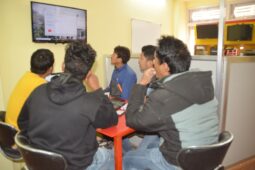
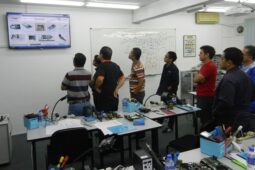
In Nepal, many students choose to join technical training programs during their SEE vacation. These courses are popular because they focus on practical learning and hands-on experience.
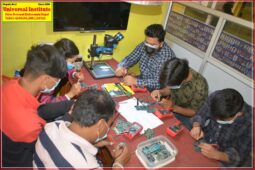
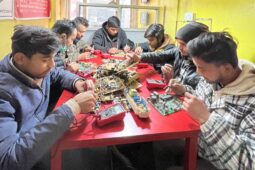
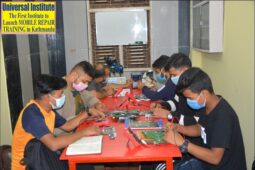
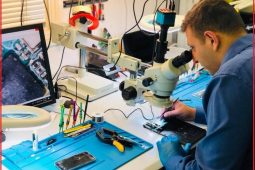
Mobile Phone Repair Training
Mobile phones are used everywhere today, and skilled technicians are always in demand. Learning mobile repair training can help students understand smartphone hardware and software problems.
Students learn skills such as:
- Mobile phone troubleshooting
- Screen replacement
- Charging and battery issues
- Software flashing and unlocking
This skill can even help students start small repair work from home.
Computer and Laptop Repair Training
Computers and laptops are essential for education and business. A computer repair training course teaches students how to diagnose and fix common problems.
Students learn about:
- Computer hardware components
- Operating system installation
- Laptop troubleshooting
- Data backup and recovery basics
- CCTV Camera Installation Training
Security systems are becoming increasingly common in homes, offices, and shops. Learning CCTV camera installation can provide valuable technical knowledge and potential job opportunities.
AC and Fridge Repair Training
With increasing use of cooling systems, HVAC-related skills are also in high demand. Training in AC and refrigerator repair helps students understand cooling technology and maintenance.
Basic Electronics Training
Electronics is the foundation of many modern technologies. A basic electronics course teaches students about circuits, components, and troubleshooting electronic devices.
Benefits of Joining Technical Training After SEE
Joining a skill-based training course after SEE offers many advantages.
- Gain Practical Knowledge
Unlike school subjects that focus mainly on theory, technical training provides hands-on experience with real tools and equipment.
- Opportunity for Part-Time Income
Students who learn technical skills like mobile repair or computer repair can sometimes earn money by helping friends, family, or local customers.
- Early Career Preparation
Learning technical skills early helps students understand career options and build experience before entering higher education.
- Build Confidence
When students successfully repair devices or complete technical tasks, it boosts their confidence and problem-solving ability.
Choosing the Right Training Institute
If you decide to join a training course after SEE, choosing the right institute is very important. A good training institute should provide:
- Experienced trainers
- Practical learning environment
- Modern equipment and tools
- Career guidance and support
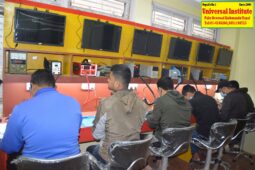
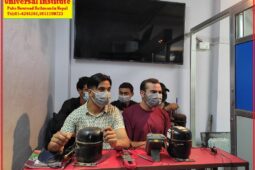
Many students in Kathmandu choose Universal Electronics Institute, which has been providing technical training for more than 25 years. The institute offers professional courses in mobile repair, computer-laptop repair, CCTV installation, AC and fridge repair, and basic electronics.
The training programs are designed to help beginners learn step-by-step practical skills in a professional environment.
Tips to Make Your SEE Vacation Productive
Here are some simple tips to use your SEE vacation wisely:
- Set a small goal for the vacation (learn a skill or course)
- Balance learning and relaxation
- Avoid spending too much time on social media or games
- Try new activities that build knowledge and confidence
Remember, even a few weeks of learning a new skill can make a big difference in your future.
Conclusion
Completing SEE is a major milestone for students in Nepal, and the free time after exams should be used wisely. Instead of spending the entire vacation doing nothing, students can take advantage of this period to learn new skills, explore career interests, and prepare for future opportunities.
Joining short-term technical training courses, improving computer skills, or developing communication abilities can help students gain valuable knowledge and confidence.
The SEE vacation is not just a break—it is a chance to invest in your future. By using this time productively, students can start building skills that may benefit them for years to come.